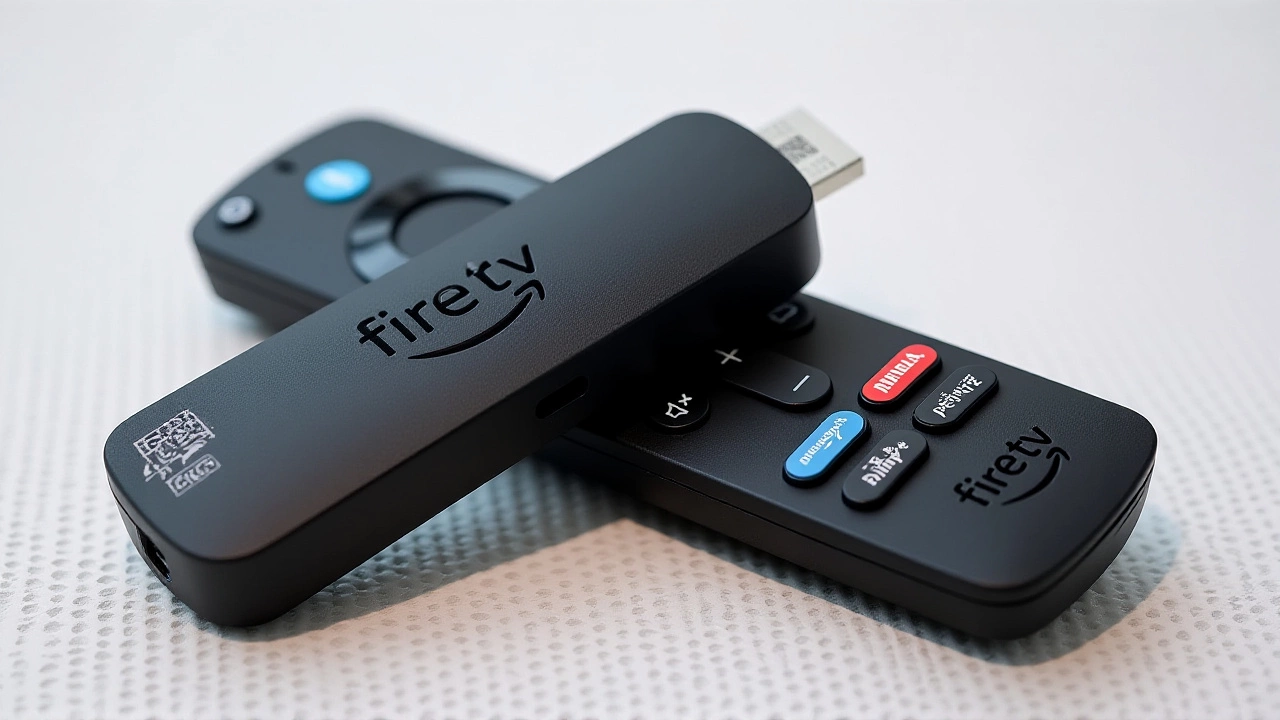
Within days of Amazon tightening its grip on the Fire Stick, police in West Yorkshire launched raids that landed four men in custody—marking one of the first physical crackdowns on illegal sports streaming tied directly to a major tech company’s policy shift. The arrests, carried out across multiple homes in the northern English county, didn’t come out of nowhere. They followed Amazon’s sudden restriction on side-loading apps, a move that shut down the most common gateway for pirated live sports on its popular streaming devices. The timing is too sharp to ignore: corporate policy change, then police boots on the ground. This isn’t just about one group of streamers. It’s a new chapter in the war on digital piracy.
How Side-Loading Became the Lifeline for Pirates
The Amazon Fire Stick is small, cheap, and easy to use. That’s why over 70 million households in the UK alone own one. But its openness made it a magnet for pirates. Side-loading—installing apps from outside Amazon’s official store—let users install services like Terrarium TV, RedBox TV, and Kodi add-ons that streamed Premier League matches, UFC fights, and NBA games for free. These weren’t just casual viewers. Many of these apps operated as subscription services themselves, charging £5–£15 a month to hundreds, sometimes thousands, of users. That’s commercial-scale piracy, and under the Copyright, Designs and Patents Act 1988, it’s a felony punishable by up to 10 years in prison.Amazon’s crackdown wasn’t flashy. No press release. Just silent updates pushed to devices: warnings popped up saying “This app may violate copyright,” and tools that made side-loading easier were quietly disabled. Users who tried to sideload after the update got blocked. For pirates, it was like having the door kicked in. And within days, police were knocking on doors in West Yorkshire.
The Raids: No Warning, No Fanfare
On an unannounced weekday morning, officers from West Yorkshire Police—though not officially named in initial reports—executed coordinated raids at four residences. Sources familiar with the operation say the raids were based on intelligence gathered over months, possibly from copyright holders like Sky Sports and the Premier League, who’ve been tracking IP addresses linked to illegal streams. The suspects, all men aged between 28 and 47, were taken into custody without incident. Their homes were searched; servers, hard drives, and streaming boxes were seized. One suspect reportedly had a network of 300+ active subscribers.“This isn’t about someone watching a game in their basement,” said a source close to the investigation. “We’re talking about organized operations that bypassed paywalls, rebranded content, and made money from it. That’s not a hobby. It’s a business.”
Why Sports? The High-Stakes Game of Live Streaming
Live sports are the crown jewels of piracy. Unlike movies or TV shows, you can’t easily wait for a download. Fans want the game now. And with Premier League matches costing £30 a month on Sky or £25 on TNT Sports, the temptation is huge. In 2023, the Federation Against Copyright Theft (FACT) estimated that illegal sports streaming cost UK rights holders over £1.2 billion annually. The numbers are staggering: one major piracy site, caught in a 2022 takedown, had 1.8 million monthly users—nearly 3% of the UK population.What’s different now? Before, raids targeted big distributors—people running websites or YouTube channels. This time, police went after the end-user operators: the guy who set up a server in his garage and sold access to neighbors. It’s a shift from chasing websites to hunting individuals. And it’s working. Since January, FACT has seen a 40% drop in traffic to the top 10 illegal sports streams in the UK.

Amazon’s Role: Corporate Action, Police Reaction?
Amazon hasn’t confirmed any coordination with UK police. But the sequence speaks volumes. The side-loading restrictions went live on April 12, 2024. The raids happened between April 15 and April 17. That’s less than a week. In the tech world, that’s lightning speed. And it’s not the first time this has happened. In 2021, after Netflix cracked down on shared passwords, Dutch authorities raided 12 households in Amsterdam within days. Similar patterns emerged in Australia after Foxtel tightened access controls.What’s new is the scale of the response. In the past, companies sent takedown notices. Now, they’re giving law enforcement the data—IP logs, device IDs, payment trails—to act. Whether formal or informal, the partnership is real. And it’s terrifying for pirates.
What Comes Next? A New Normal
The four arrested in West Yorkshire are now facing charges under the Copyright, Designs and Patents Act 1988. If convicted, they could lose their homes, their jobs, and their freedom. More importantly, their case sets a precedent. Other UK police forces are already reviewing similar cases. In Scotland, a task force is being formed to target “streaming hubs.” In London, the Metropolitan Police has started training officers to identify illegal streaming hardware in homes.Meanwhile, Amazon is quietly rolling out a new feature: a “Stream Safely” dashboard that shows users how many times their device accessed unverified apps. It’s not just a warning—it’s a digital paper trail. And for anyone still sideloading? They’re now not just breaking the law. They’re leaving a trail.
Global Ripple Effects
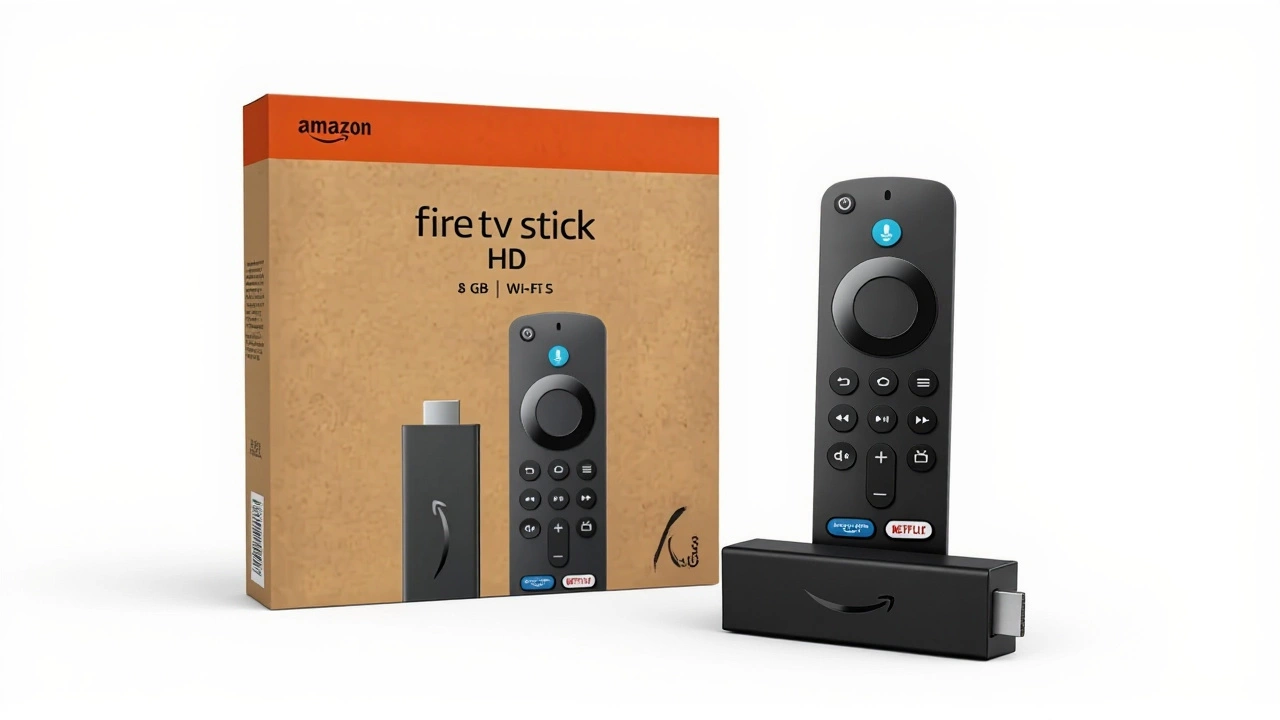
This isn’t just a UK story. In the US, the DOJ has already signaled it’s watching. The Motion Picture Association recently sent a letter to Amazon, urging “enhanced cooperation” on piracy enforcement. In Germany, authorities raided 17 homes in Bavaria last month after similar side-loading restrictions were applied to Roku and Android TV boxes. Australia’s Copyright Agency is drafting new guidelines to allow police access to streaming device logs without a warrant in “commercial infringement” cases.What’s clear? The era of anonymous piracy is over. You can’t hide behind a device anymore. The hardware you use is now a liability.
Frequently Asked Questions
What exactly is side-loading, and why is it illegal on Fire Stick?
Side-loading means installing apps from outside Amazon’s official store—like Kodi or third-party add-ons that stream copyrighted sports content without permission. While technically possible on many devices, using these apps to access paid content for free violates UK copyright law. Amazon’s crackdown disabled tools that made side-loading easier, turning what was once a gray area into a clear legal risk.
How did police know who to arrest?
Rights holders like Sky Sports and the Premier League tracked IP addresses linked to illegal streams. When those addresses tied back to Fire Stick devices, they provided the data to FACT, which then worked with West Yorkshire Police. The raids weren’t random—they targeted individuals who were actively distributing streams to multiple users, not just personal viewing.
Can I still use Kodi or similar apps legally?
Yes—if you only use them for legal content like public domain films or your own media library. But most popular Kodi add-ons today stream copyrighted sports and movies without authorization. Using them for that purpose is illegal. Amazon’s warnings now explicitly label these apps as high-risk, making it harder to claim ignorance.
What penalties could the arrested men face?
Under the UK’s Copyright, Designs and Patents Act 1988, commercial-scale piracy carries a maximum penalty of 10 years in prison and unlimited fines. Given the scale of operations—some had hundreds of subscribers—they’re likely facing charges for “making available” copyrighted material, which courts treat as a serious offense. First-time offenders may get probation, but repeat or organized operators often go to jail.
Is this crackdown only targeting Fire Stick users?
No. Similar actions are happening globally. In Germany, Roku and Android TV users have been raided. In Australia, police are now seizing set-top boxes linked to illegal streams. The focus is on any device that enables unauthorized access to premium content. Fire Stick is just the most common—and now the most monitored.
What should consumers do to stay legal?
Stick to official apps: Amazon’s Appstore, Netflix, BBC iPlayer, ITVX, or licensed services like NOW TV. Avoid any app that offers “free” Premier League, UFC, or NFL games. If it seems too good to be true, it’s illegal. And if you’re using it to make money—even just charging friends—you’re risking serious consequences.